Transport and equipment

Transport and equipment account for around seven percent of JM’s total climate impact. While this is not the biggest source of emissions, it is an area where we can do a great deal ourselves. To reduce emissions from vehicles that are used in our own value chain, we are applying several tactics at the same time.

Fossil-free building site

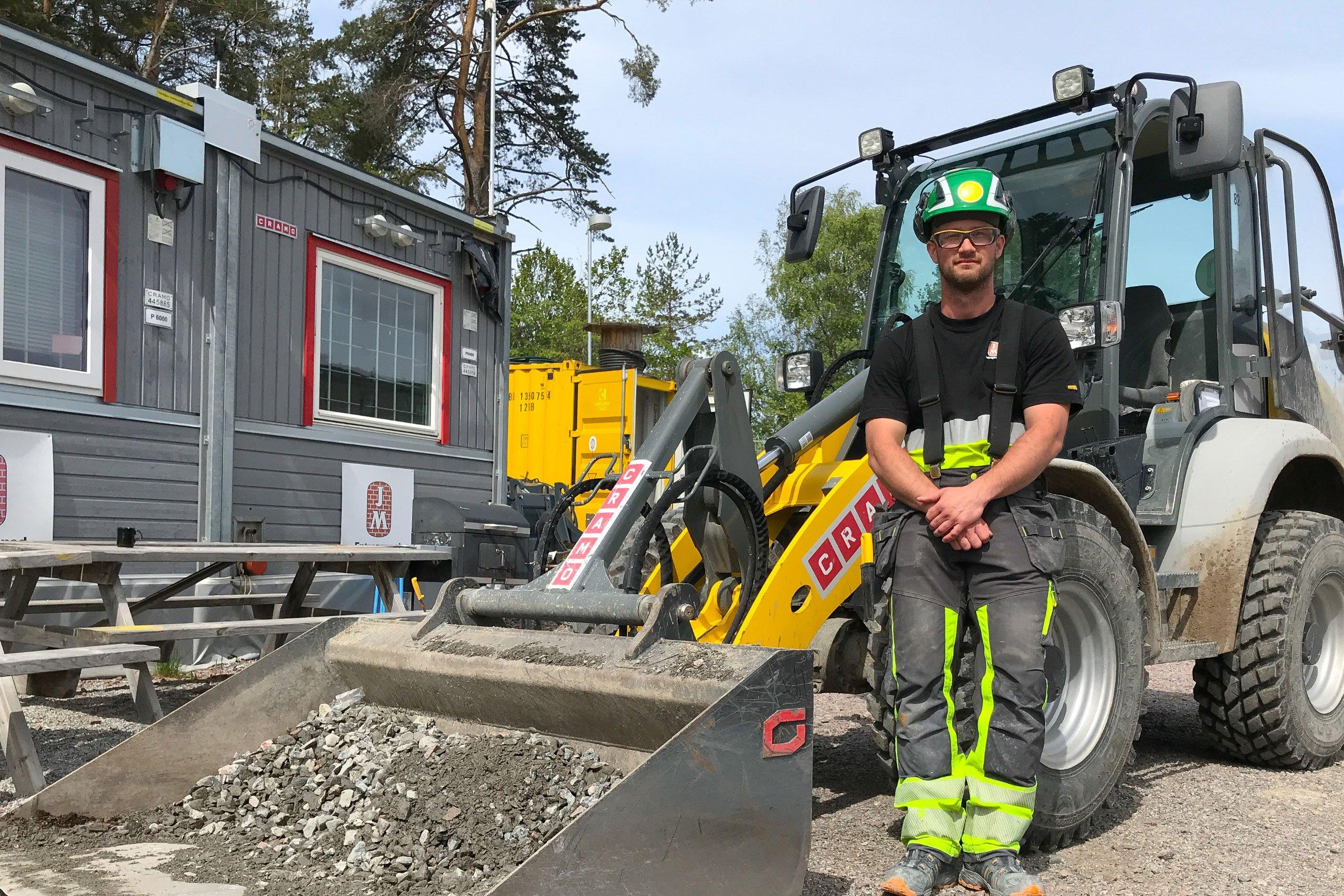
JM climate change emissions should be close to zero by 2030. Heavy goods vehicles and equipment that are challenging to electrify are used on our construction sites. Here, we need to cast our eyes in several future directions simultaneously. We are monitoring and supporting the development of electric-powered, sustainable alternatives. And will switch to fossil free fuels as soon as possible, as developments in this direction progress.

Our Fossil-Free building site project is now being trialled at a couple of locations with a view to hopefully be able to roll this out on a broad front in our operations. Where electrification is already a possible option, we look to choose this, and where combustion engines are still necessary, we switch to renewable fuels.

JM logistics centers to become fossil free hubs

In addition to switching fuels, another important tactic is to optimize our logistics chain and in so doing, reduce the number of transport movements between storage points and construction sites. At JM logistics centers, projects are being implemented that aim to increase consolidated shipments of e.g. fixtures, and to increase the loading efficiency of shipments, which reduces the number of trips.

The JM logistics center in Järfälla was chosen for the pilot project, and via structured work to optimize the logistics chain, the number of long distance truck shipments have been reduced by around 56 percent. All transport vehicles run on fossil-free fuel.